

Entertainment has always changed with technology. From board games around a living-room table to console adventures on a television screen, every generation login deal88 has found new ways to play. Today, gaming has moved far beyond a single device or location. With an internet connection, players can enter virtual worlds, compete with strangers, cooperate with friends, and enjoy new experiences almost instantly. The rise of the online game has become one of the most noticeable changes in modern digital entertainment.
The Early Days of Online Game Entertainment
The journey began modestly. Early internet games were often simple, with basic graphics and limited features. Players connected through slow networks and spent time waiting for pages to load. Yet those limitations did not stop people from having fun.
What made these early games special was the sense of connection. A player was no longer competing only against a computer. Someone on the other side of the network could become an opponent or teammate. That small change created a completely different feeling.
Imagine sitting at home in the late 1990s, connecting to a game with a dial-up modem, and suddenly discovering that another person was ready to play. The experience may seem ordinary now, but at the time, it felt revolutionary.
How Technology Changed the Online Game
As internet speeds improved, gaming evolved quickly. Broadband connections removed many of the frustrations associated with slow networks. Better computers and graphics cards allowed developers to create larger and more detailed virtual environments.
Then came smartphones.
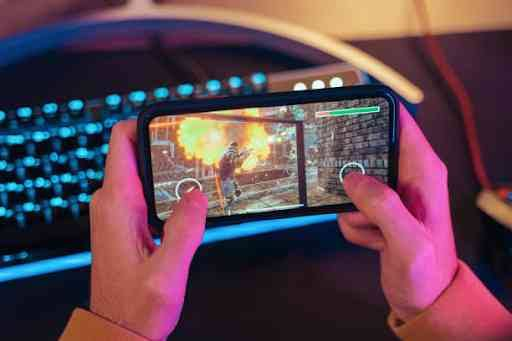
Mobile technology changed everything again. People no longer needed to sit at a desk or in front of a television to enjoy their favorite games. A quick match could happen during a lunch break, while traveling, or while relaxing at home.
Cloud technology also pushed gaming forward. Players gained access to digital entertainment without always needing expensive hardware. Updates became faster, multiplayer communities became larger, and developers could introduce new content long after a game was originally released.
Social Connection Became Part of Gaming
One of the biggest developments has been the social side of gaming. Modern players are not simply controlling characters on a screen. They are communicating, forming teams, sharing strategies, and building friendships.
Voice chat has made cooperation feel more natural. Online communities have grown around particular games, genres, and competitions. For many people, gaming has become a social activity rather than something they do alone.
Think about a group of friends who live in different cities. They may not have time to meet every weekend, but they can still gather virtually for an evening match. The game becomes the meeting place.
That social element explains why digital gaming continues to attract such a wide audience.
The Rise of Competitive Gaming
Competitive gaming has also transformed digital entertainment. What started as friendly competition among players has developed into organized tournaments, professional teams, live broadcasts, and large fan communities.
Spectators can now watch skilled players compete from almost anywhere. Streaming platforms have made gaming personalities into recognizable entertainers, while major tournaments can attract audiences from around the world.
Why watch someone else play when you could play yourself? The answer is simple: competition is exciting. Fans enjoy the strategy, personality, tension, and unexpected moments that unfold during a close match.
Personalization and Player Choice
Modern games are also becoming more personalized. Players can often customize characters, choose different paths, adjust difficulty levels, and influence how their experiences develop.
This creates a stronger emotional connection. A character may feel more personal when the player has spent hours developing its appearance, abilities, or story.
Developers also pay attention to player feedback. Regular updates can introduce new maps, challenges, characters, and seasonal events. Instead of buying a game and finishing it once, players may return repeatedly because there is always something different waiting.
What the Future May Bring
The future of digital gaming looks even more interactive. Virtual reality and augmented reality are creating new ways to experience digital worlds. Artificially intelligent characters, advanced physics, realistic environments, and faster connections may make games feel increasingly immersive.
However, technology is only part of the story. The real strength of gaming comes from human curiosity. People enjoy exploring unfamiliar worlds, testing their skills, solving problems, and sharing memorable moments with others.
The next major breakthrough may come from technology that has not yet become mainstream. Whatever happens, players will likely continue looking for experiences that feel exciting, personal, and connected.
Final Thoughts
The evolution of the daftar deal88 reflects a much larger transformation in entertainment. Gaming has moved from simple network experiments to rich digital experiences that connect millions of people.
The journey is far from finished. New devices, faster connections, creative ideas, and changing player expectations will continue shaping the industry. For anyone who enjoys discovering new worlds and challenging themselves, there has never been a more exciting time to play.
So, whether you are a longtime player or someone discovering digital gaming for the first time, explore what is out there. Your next memorable experience may be only one game away.
