

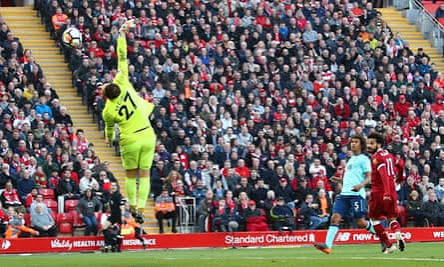
The 2017/2018 Premier League season marked a tactical shift where full-backs became central to attacking systems rather than purely defensive roles. Teams increasingly relied on wide defenders to stretch play, deliver crosses, and generate repeated attacking sequences. This evolution directly influenced both shot creation and the frequency of corner kicks.
Why Full-Back Positioning Changes Attacking Structure
When full-backs push high up the pitch, they create width that forces defensive lines to expand. This expansion opens central channels for midfielders and forwards, increasing the variety of attacking options.
The immediate outcome is spatial imbalance. Defenses must choose between protecting the center or closing down wide areas, often failing to cover both effectively. This tension leads to more crossing opportunities and second-phase attacks.
Teams That Maximized Full-Back Output
Certain teams in the 2017/2018 season integrated full-backs as key creative contributors rather than supporting players.
- Liverpool: Alexander-Arnold and Robertson provided constant width and delivery.
- Manchester City: Walker and Delph (or Zinchenko) supported positional dominance.
- Tottenham: Trippier and Davies contributed to structured attacking buildup.
- Chelsea: Wing-back system amplified wide attacking presence.
These teams shared a reliance on wide progression. Full-backs were not occasional outlets—they were consistent sources of attacking pressure.
The implication is that attacking responsibility was redistributed. Instead of relying solely on forwards, teams diversified chance creation through wide defensive players.
How Full-Backs Increase Shot Volume
Full-backs contribute to shot creation through repeated delivery into the penalty area. Even when initial crosses do not result in shots, they create secondary opportunities through deflections and loose balls.
Mechanisms behind increased shots
- Overlapping runs create crossing angles that bypass defensive blocks.
- Early crosses catch defenses before they are fully organized.
- Cutbacks from wide areas generate high-quality central chances.
These actions increase attacking repetition. A single attacking sequence may produce multiple attempts, raising overall shot volume.
The cumulative effect is significant. Teams with active full-backs sustain pressure longer, leading to more frequent shooting opportunities across a match.
Why More Crosses Lead to More Corners
Cross-heavy systems naturally generate more corner kicks due to defensive interventions. When defenders block or deflect crosses, the ball often exits play near the goal line.
This creates a chain reaction. More wide attacks lead to more blocked deliveries, which in turn increase corner frequency. Teams that rely on full-backs for width therefore tend to produce higher corner counts.
This relationship is structural rather than coincidental. It emerges directly from how attacks are constructed.
Translating Full-Back Activity Into Market Insight
Observation suggests that when evaluating match dynamics through a sports betting service such as ufa168, teams with highly active full-backs often show elevated corner counts compared to baseline expectations. This occurs because traditional analysis may focus on possession or shots while underestimating the role of wide delivery in generating repeat attacking phases.
When Full-Back Influence Is Reduced
Despite their importance, full-backs do not always dominate matches. Certain tactical conditions limit their impact.
- Opponents applying high pressing restrict wide progression.
- Defensive systems with wide midfield coverage neutralize overlaps.
- Match states where teams defend leads reduce attacking involvement.
These factors reduce crossing frequency, which in turn lowers both shot volume and corner production.
Recognizing these limitations prevents overestimating full-back influence in all scenarios.
Comparing Wide vs Central Attacking Systems
Different attacking structures produce distinct statistical outcomes.
Approach | Characteristics | Impact
Wide-focused play | Heavy crossing, overlapping runs | Higher corners, varied shot types
Central-focused play | Short passing, penetration through middle | Fewer corners, higher shot efficiency
This comparison highlights a trade-off. Wide systems generate volume, while central systems often produce higher-quality chances with less repetition.
Understanding this distinction helps explain why some teams consistently lead in corner statistics without necessarily scoring more goals.
External Context and Interpretation Differences
The way these patterns are interpreted can vary across environments. Within a casino online context, where multiple betting categories coexist, corner-related markets may not fully reflect the structural role of full-backs. This can create gaps between actual match behavior and how markets are priced.
Integrating Full-Back Analysis With Broader Metrics
To maximize analytical value, full-back activity should be combined with metrics such as possession share, crossing accuracy, and opponent defensive structure. This integration provides a clearer picture of how likely wide attacks are to translate into tangible outcomes.
For example, high crossing volume paired with poor accuracy may inflate corner counts without significantly increasing goal probability.
Limitations of Overreliance on Full-Back Data
While influential, full-backs are only one component of a team’s attacking system. Overemphasizing their role can lead to incomplete analysis.
- Teams may adjust tactics mid-match, reducing wide involvement.
- Opponent-specific strategies can neutralize wide threats.
- Variability in execution affects consistency of output.
These limitations reinforce the need for balanced evaluation rather than single-factor analysis.
Summary
Attacking full-backs in the 2017/2018 Premier League played a central role in shaping chance creation and corner frequency. By stretching defenses and delivering consistent wide pressure, they created repeatable attacking patterns that influenced both shot volume and specialized match metrics.
